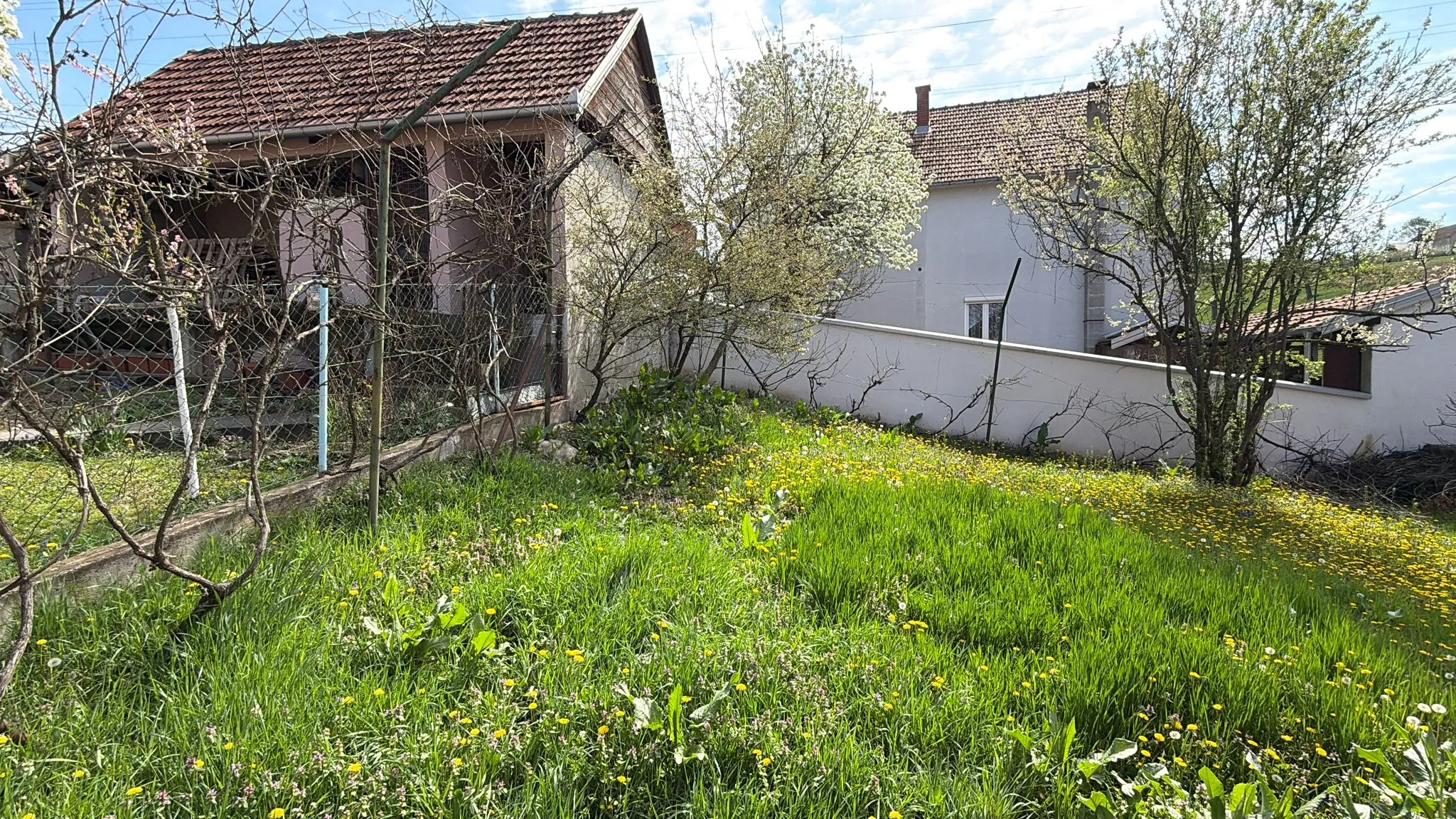
Inheriting Real Estate in Serbia — Procedure, Costs and Probate Proceedings
Inheriting real estate in Serbia is often a complex and emotional process, especially when it comes to property owned abroad. For the diaspora that inherits a house, apartment, building plot or land in their home country, understanding the procedure, costs and deadlines is essential to protect their rights and legally transfer the property. This guide walks you through the whole process step by step.
What Is the Probate (Ostavinska) Proceeding?
The probate proceeding (ostavinski postupak) is a court process that establishes who are the lawful or testamentary heirs of a deceased person (the decedent) and how their estate, including real estate, is divided. In Serbia, this procedure is conducted by the competent court or a public notary, based on the decedent’s last place of residence.
Who Are the Heirs and What Is the Order of Inheritance?
The Inheritance Law of the Republic of Serbia defines several inheritance classes:
- First order — the decedent’s children, spouse (marital or common-law) and adopted children. They inherit in equal shares.
- Second order — the decedent’s parents and their spouse. Parents inherit half each, while the spouse inherits the share.
- Third order — the decedent’s brothers and sisters, and their descendants (nephews, nieces).
- Fourth order — grandparents and then more distant relatives.
The spouse holds a special position. When there is a marriage and joint property (e.g., a flat bought during marriage), the spouse also receives their share of that joint property, meaning the surviving spouse usually inherits more than other heirs.
Wills — How Inheritance Is Determined
The decedent can use a will to determine who inherits and their share, subject to the law. The will must be valid and follow the form:
- Holographic (own-hand) will — must be written by hand by the decedent, signed and dated.
- Court/notary will — prepared before a court or a public notary.
- Oral will — only exceptionally, when there is an immediate risk of death and witnesses are present.
It is important that the will does not violate the legitimate share (reserve) — the portion of the estate reserved by law for certain close relatives regardless of the will.
How the Probate Proceeding Unfolds
- Initiation — after the death, the proceeding is opened, often by the court’s own motion or at the request of interested persons.
- Summoning heirs — the court or notary notifies heirs and invites them to the hearing.
- Examination of the will — if a will exists, its validity is checked.
- Hearing heirs — heirs state whether they accept or renounce the inheritance.
- Determining the estate — the decedent’s assets, including real estate, funds, movable property and debts, are inventoried.
- Decision on inheritance — the court or notary issues a decision establishing who inherits and in what share.
Costs of the Probate Proceeding
Costs depend on the value of the estate and the complexity of the case:
- Court fees — based on the estate’s value, usually from about 0.5% to 1%.
- Public notary fees — set by regulation, typically up to several tens of thousands of RSD but rising with value.
- Certificates and excerpts — ownership excerpts, extracts from cadastral registers, etc.
- Inheritance and gift tax — once the property is registered in the heir’s name, an inheritance tax may apply; close relatives enjoy preferential rates or exemptions.
What the Diaspora Should Know
If you are an heir living abroad:
- Death certificate — for the decedent.
- Birth certificate and kinship proof — for you.
- Power of attorney — if you cannot attend in person, authorize an agent (lawyer or trusted person).
- Translation and apostille/legalization — foreign documents proving kinship must be translated into Serbian and legalized (apostille for Hague Convention countries).
- Tax check — verify any liabilities both in your country of residence and Serbia; consult a tax advisor.
Conclusion
Inheriting real estate in Serbia is a process that requires careful attention, proper documentation and knowledge of the law, especially for the diaspora. The probate proceeding, costs, tax obligations and inheritance order are all clearly defined by law. With professional help from an agency like EREA, the entire process can run smoothly and correctly. If you have questions about a property in Kragujevac or the surrounding area, contact us and we will help you take it over legally and properly.